Netanyahu Camp Raises ‘Islamisation of Israel’ Concerns Amid Election Theft Claims
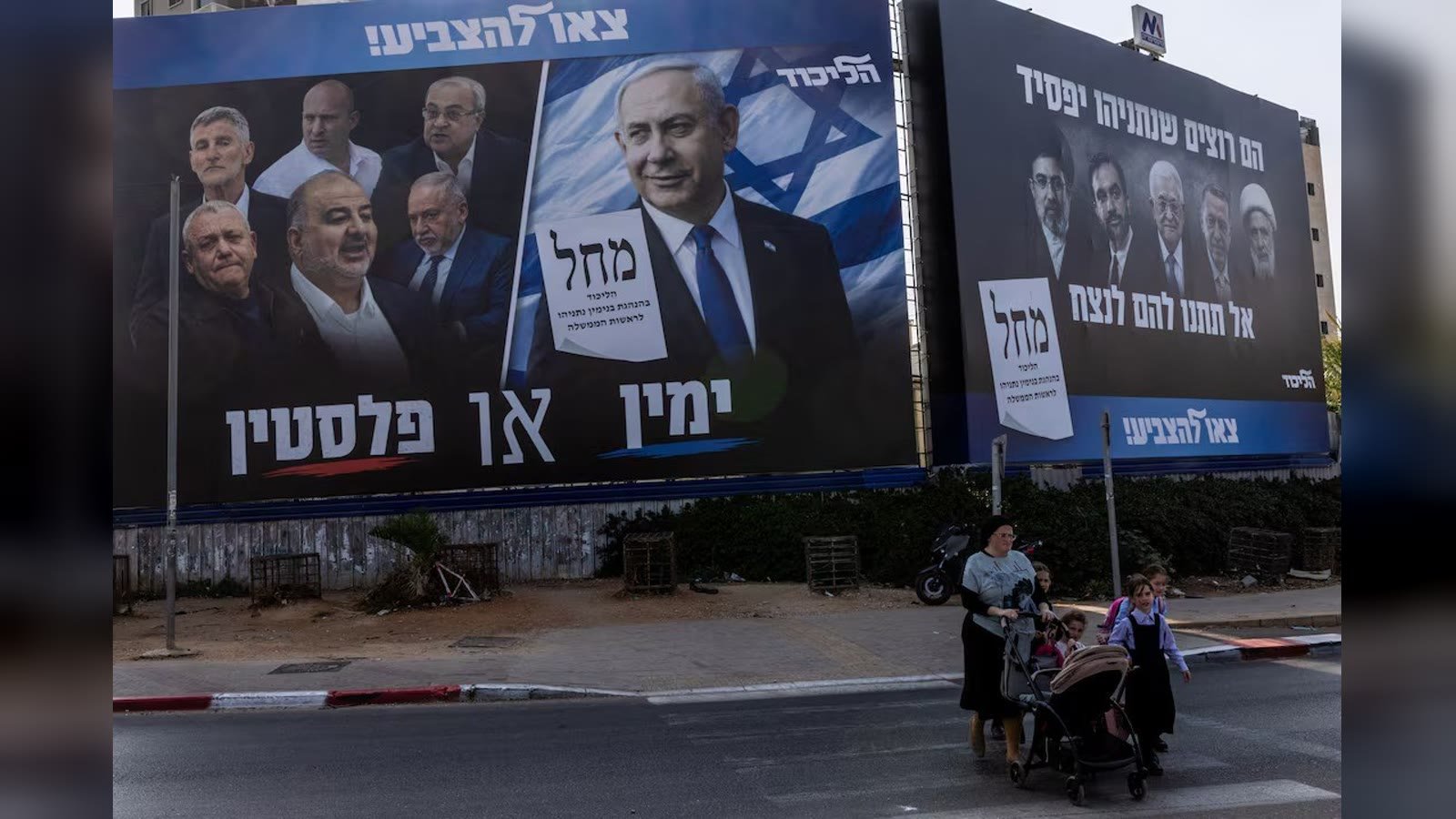
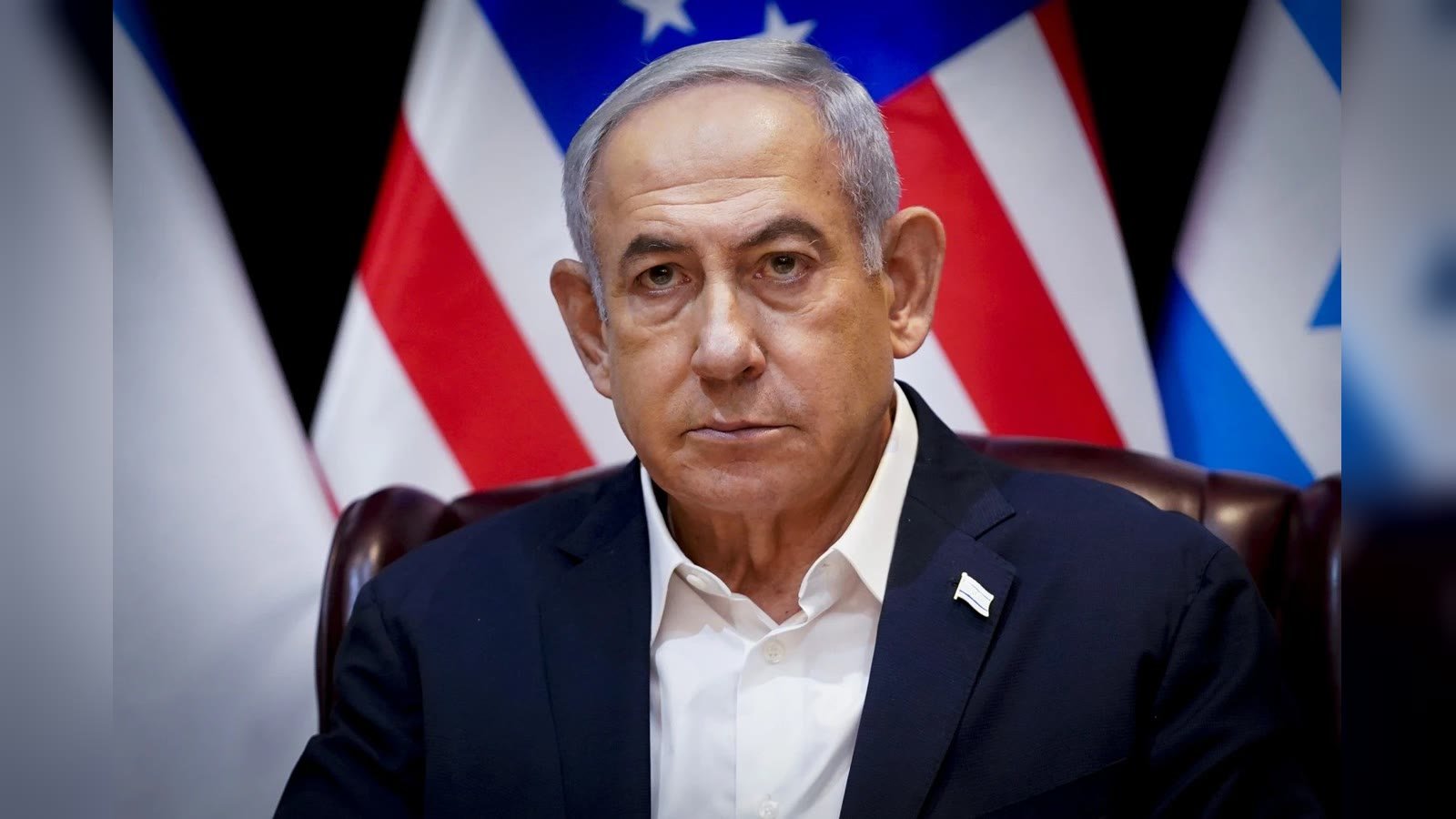
Israel, October 29: Israel’s election has sparked fresh political debate after Prime Minister Benjamin Netanyahu’s camp raised allegations of electoral irregularities and concerns over the growing influence of Arab parties. The controversy has also brought the phrase “Islamisation of Israel” into the political discussion.
Netanyahu’s Likud party has accused Arab parties of election-related misconduct and called for an investigation. The allegations reportedly include claims of bribery, threats, violence and the use of forged documents at polling stations. These claims have not been independently established.
Arab political representatives have rejected allegations of electoral wrongdoing. They have argued that such accusations risk targeting Arab voters and undermining their participation in the political process.
Arab Parties Could Influence Coalition Talks
Israel’s Knesset has 120 seats, and a government requires the support of at least 61 members. With neither major political camp securing a clear majority in the reported partial results, Arab parties could become important in negotiations over the formation of the next government.
Some voices aligned with Netanyahu’s camp have framed the potential influence of Arab parties as a concern about Israel’s national identity and political future. Others view Arab representation in parliament as part of the democratic process.
Election Fraud Claims and Political Rhetoric
Allegations of election fraud and concerns about the political influence of Arab parties are separate issues. Claims of electoral misconduct require evidence and investigation. The phrase “Islamisation of Israel” is a political characterisation, not an established finding about the election outcome.
As the final results and coalition talks progress, the debate over electoral integrity, Arab political representation and Israel’s national identity is likely to remain prominent.