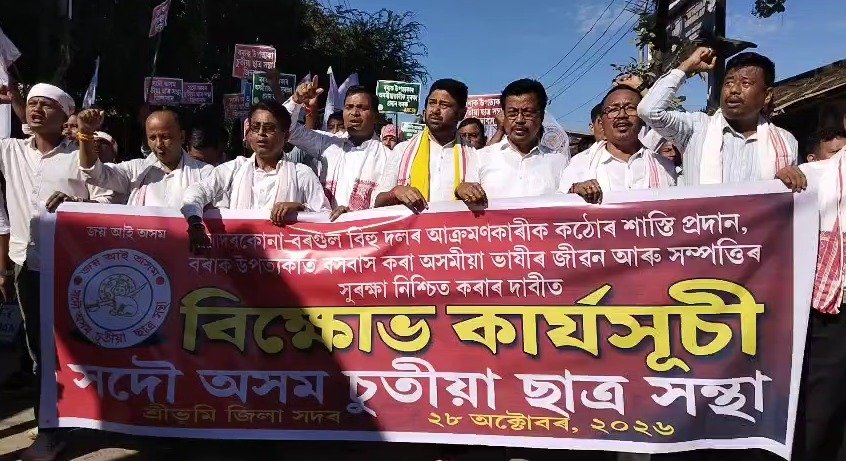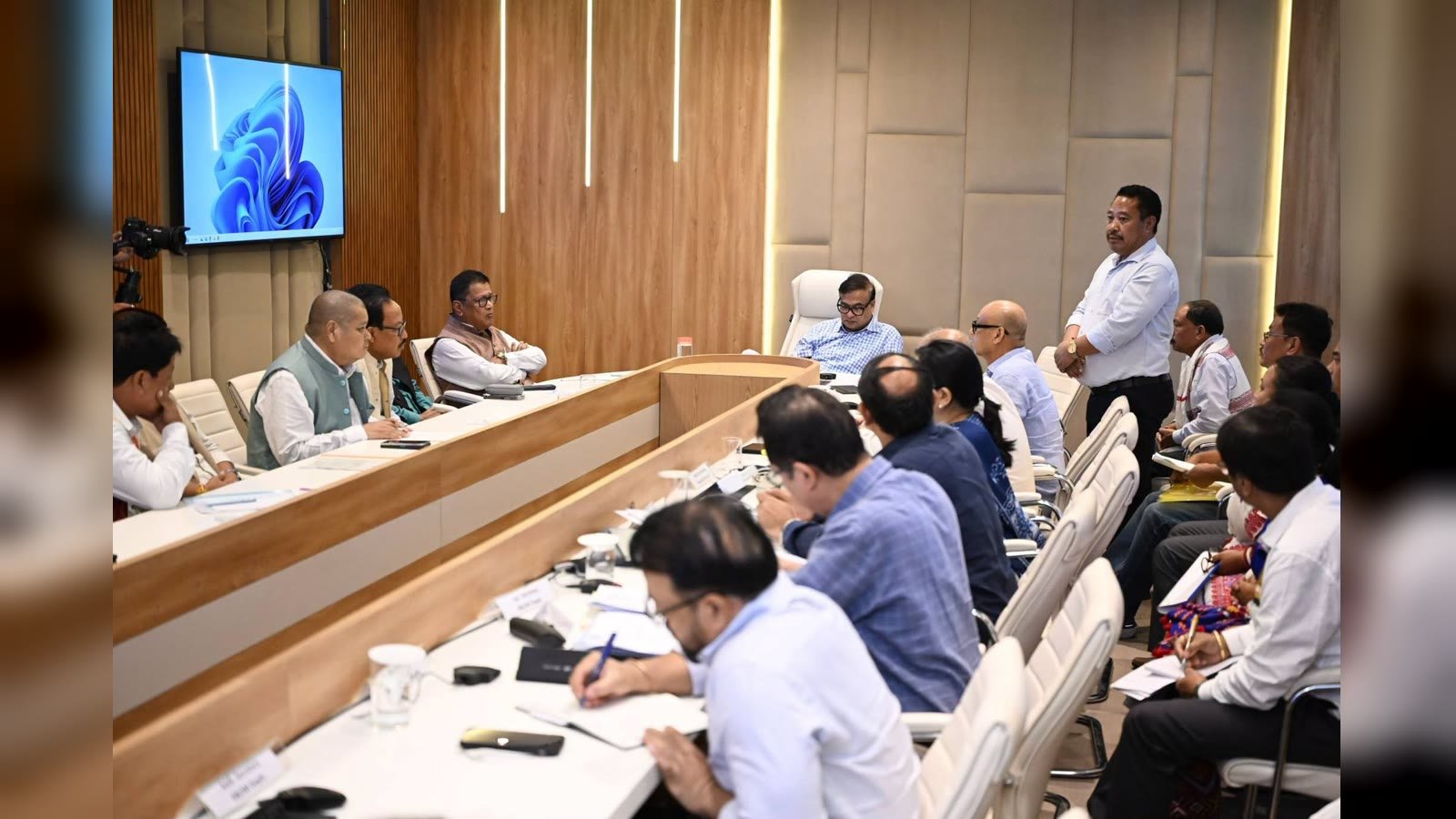
Dibrugarh, October 28: Assam Chief Minister Dr Himanta Biswa Sarma held a meeting with representatives of various Moran and Matak community organisations in Dibrugarh to discuss land rights and the long-pending demands of the two communities.
The meeting comes amid continued discussions over the protection of indigenous communities’ land rights, constitutional recognition and other socio-economic concerns in Assam. The demands of the Moran and Matak communities have remained important issues in the state’s public and political discourse.
Land Rights and Long-Pending Demands
Various organisations representing the Moran and Matak communities have been raising concerns over land protection, community rights and constitutional recognition. Securing land rights and addressing unresolved land-related issues remain among their key demands.
During the meeting in Dibrugarh, the Chief Minister interacted with representatives of the community organisations. However, the complete details of every demand raised and the specific assurances or decisions made during the meeting could not be independently confirmed from the available information.
Demand for Scheduled Tribe Status
The demand for Scheduled Tribe (ST) status for the Moran and Matak communities has been a longstanding issue in Assam. The demand is linked to constitutional safeguards, political representation, reservation benefits and the protection of community interests.
The Moran and Matak communities are among six communities in Assam that have been seeking ST status. At the same time, the concerns of existing Scheduled Tribe communities regarding the protection of their rights and reservation benefits remain an important part of the wider debate.
Any decision on the matter involves consideration of constitutional provisions, the views of different stakeholders and the possible implications for existing reservation arrangements.
Community Outreach Ahead of the 2026 Assembly Elections
With the 2026 Assam Assembly elections approaching, discussions between the government and community organisations carry political and social significance. Land rights, constitutional recognition and the protection of indigenous communities’ interests continue to be prominent issues in the state.
However, a meeting alone does not mean that the demands have been accepted or that a final decision has been taken. The government’s specific decisions, the status of pending demands and any implementation timeline will need to be clarified.
The next steps taken by the state government following the meeting will therefore be important for the Moran and Matak communities and their organisations.