New Delhi, October 31: The Indian Space Research Organisation (ISRO) has successfully launched its next-generation navigation satellite, NVS-03, marking a significant step towards strengthening India’s indigenous satellite navigation system, NavIC.
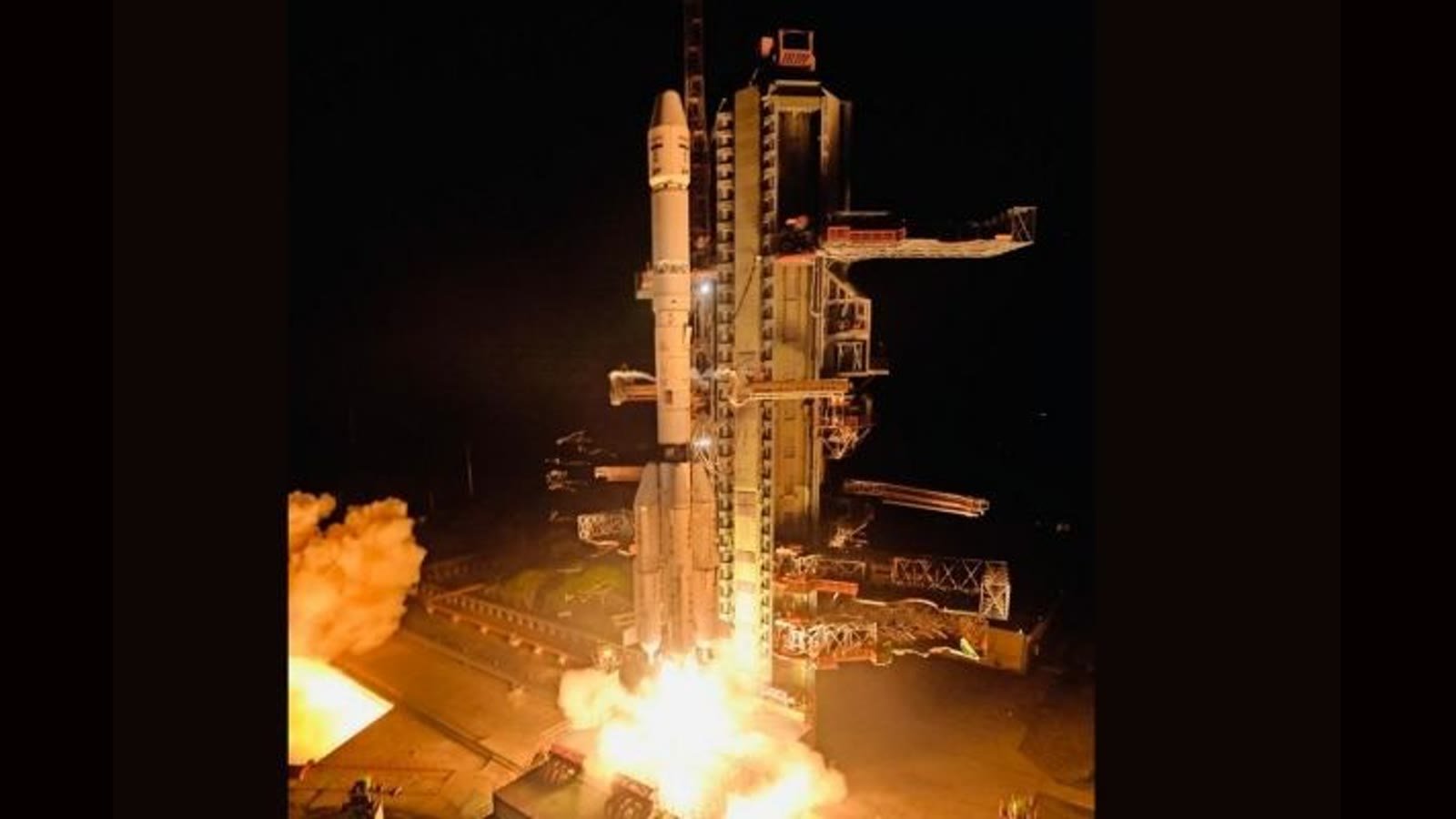
The GSLV-F18 rocket carrying the satellite lifted off at 11:51 pm on Friday from the Second Launch Pad at the Satish Dhawan Space Centre in Sriharikota, Andhra Pradesh.
Weighing approximately 2,232 kg, the satellite was successfully injected into its designated Geosynchronous Transfer Orbit (GTO). The mission marked the 20th flight of India’s Geosynchronous Satellite Launch Vehicle (GSLV).
NVS-03 is the third satellite in ISRO’s second-generation navigation satellite series. It is designed to ensure continuity and improve the availability of navigation services under the Navigation with Indian Constellation (NavIC).
What makes NVS-03 special?
One of the key features of NVS-03 is its indigenous atomic clock, along with procured atomic clocks. The satellite also introduces the L1 frequency band in addition to the existing L5 and S-band signals.
The addition of the L1 signal is expected to improve compatibility with modern navigation receivers and potentially expand NavIC’s use in civilian devices.
Atomic clocks provide highly precise timekeeping, which is essential for satellite navigation. Navigation receivers calculate their position based on the time taken by signals to travel from satellites to the receiving device.
What is NavIC and why does India need it?
NavIC is India’s indigenous regional satellite navigation system. It is designed to provide Positioning, Navigation and Timing (PNT) services across the Indian mainland and an area extending approximately 1,500 kilometres beyond the country’s boundaries.
The system has potential applications in road and maritime navigation, disaster management, agriculture, security and strategic operations. It is also aimed at reducing India’s dependence on foreign satellite navigation systems such as the United States’ GPS.
ISRO Chairman Dr V. Narayanan congratulated the scientists, engineers, industrial partners and academic institutions associated with the mission. He highlighted that the turnaround time between two successive GSLV missions was just 56 days, the shortest achieved so far.
However, the successful injection into GTO is only an important initial milestone. The satellite will have to undergo further orbital manoeuvres, in-orbit checks and commissioning before it can provide operational navigation services.