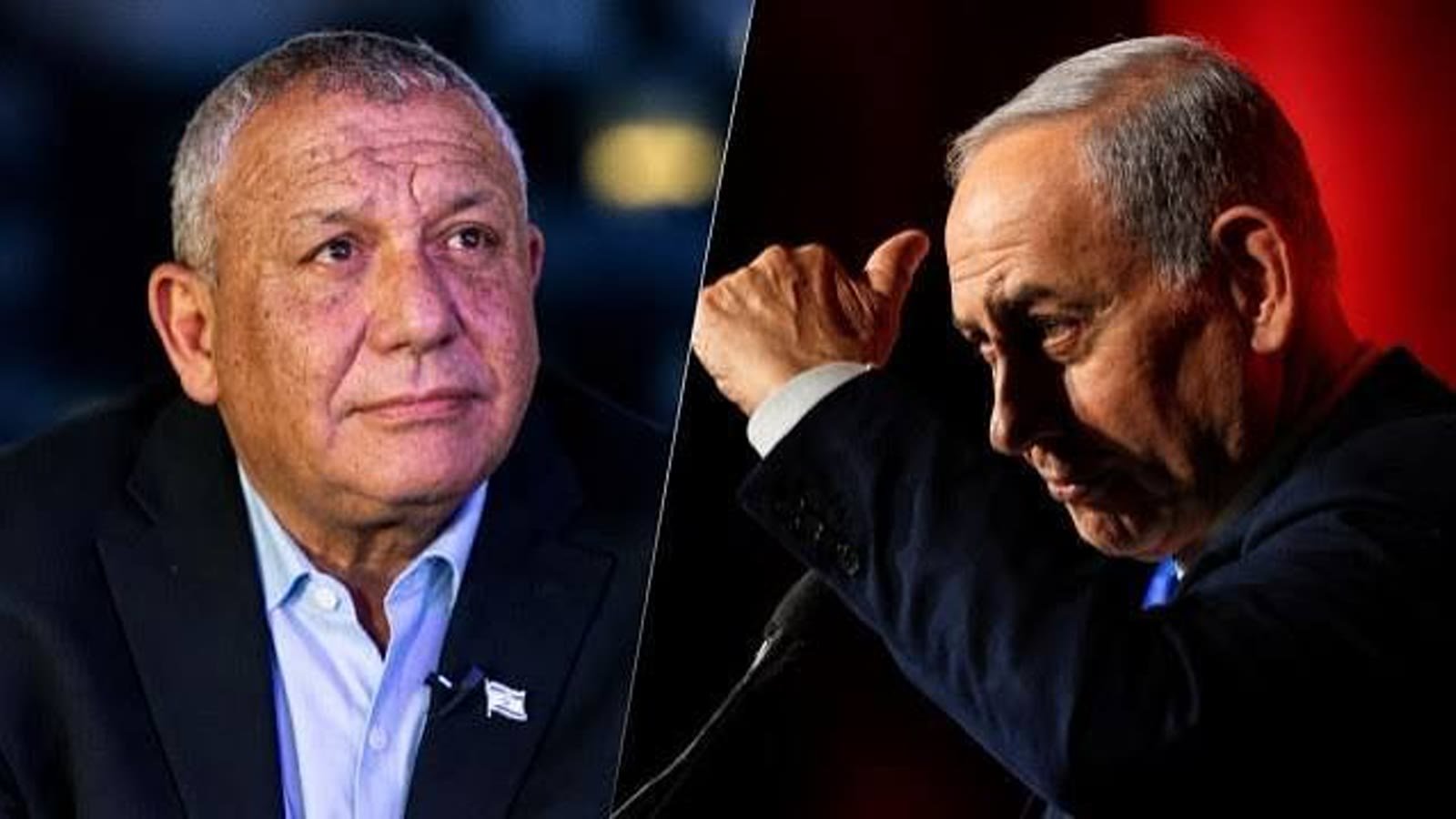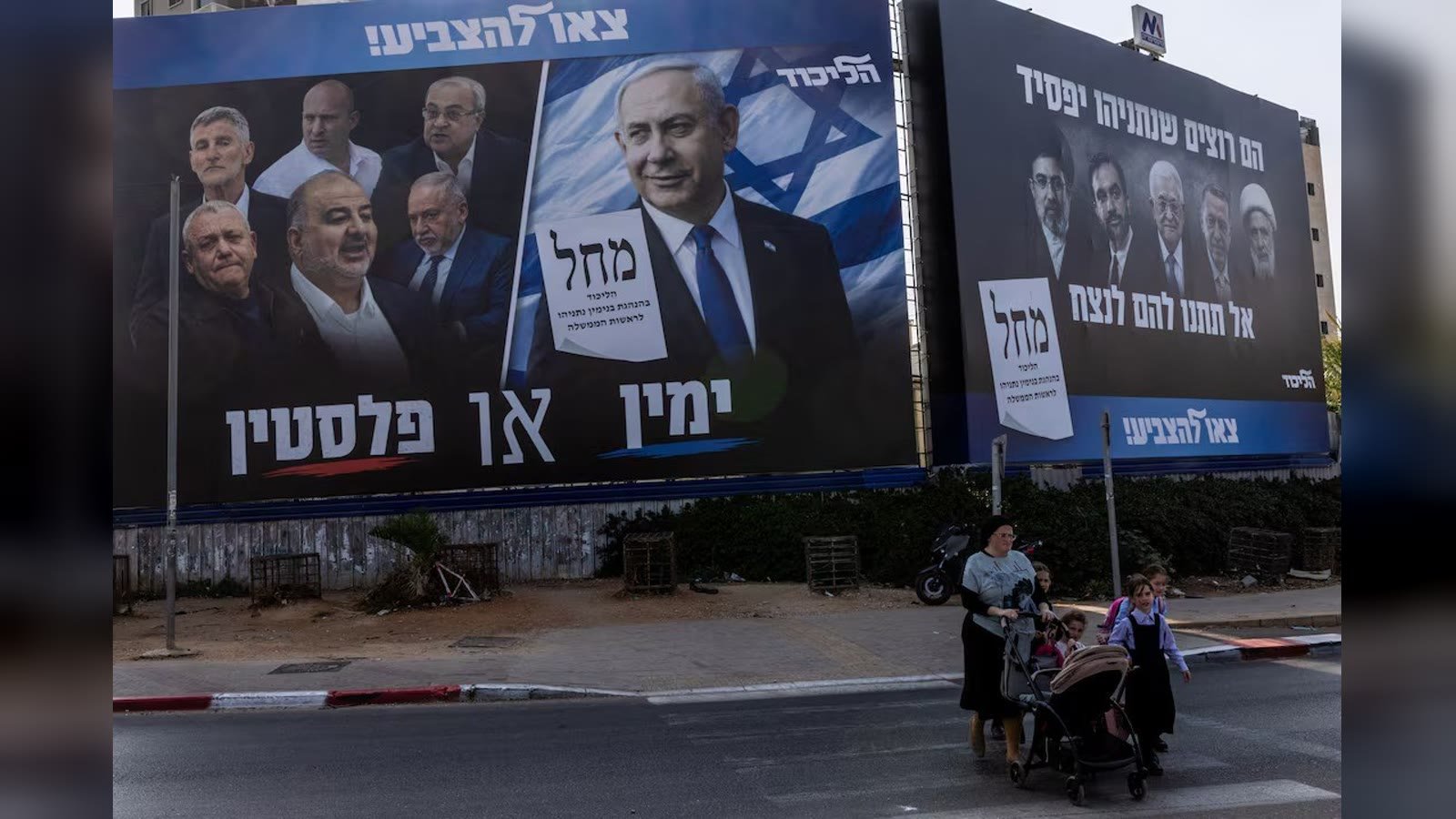
Jerusalem, October 28: Israeli Prime Minister Benjamin Netanyahu’s political bloc has taken a narrow lead as vote counting continues in the country’s general election. However, the opposition grouping led by former military chief Gadi Eisenkot remains in contention, with early figures suggesting that neither side has secured the majority needed to form a government.
According to Hindustan Times, with around half of the votes counted, Netanyahu’s bloc was projected to secure approximately 55–56 seats, while Eisenkot’s opposition grouping was estimated to have around 49–50 seats. Palestinian-led parties were also projected to win a significant number of seats. These figures are preliminary and may change as counting progresses.
Israel’s parliament, the Knesset, has 120 seats. A party or coalition needs at least 61 seats to command a parliamentary majority and form a government. The current projections therefore point to a potentially complicated coalition-building process, with smaller parties likely to play an important role.
Exit polls released after voting ended initially suggested that Eisenkot’s opposition bloc could have a slight advantage. However, revised projections later shifted in Netanyahu’s favour. The changing estimates highlight the uncertainty surrounding the election, as exit polls and partial results can differ from the final outcome.
Voter turnout was reported at approximately 77.7 per cent, higher than the turnout recorded in the 2022 election. The election is the first general election in Israel since the Hamas attack in October 2023.
US President Donald Trump has credited his endorsement with helping Netanyahu’s electoral performance. Netanyahu’s Likud party was projected to emerge as the largest individual party, but winning the most seats alone would not guarantee the formation of a majority government.
With counting still underway, the final parliamentary balance remains uncertain. Once the official results are published, Israeli President Isaac Herzog is expected to consult political party leaders and invite the candidate considered best placed to form a government.