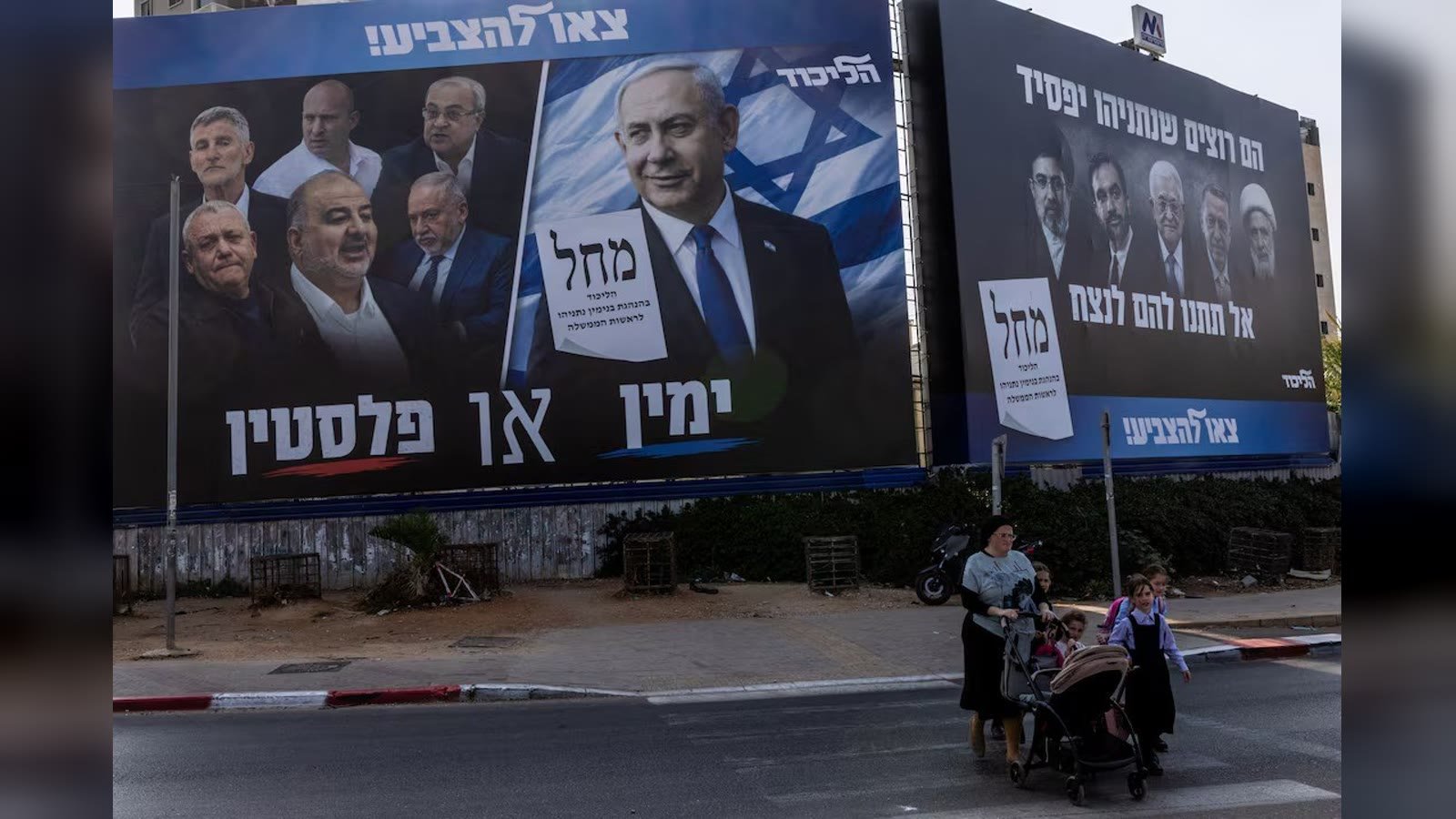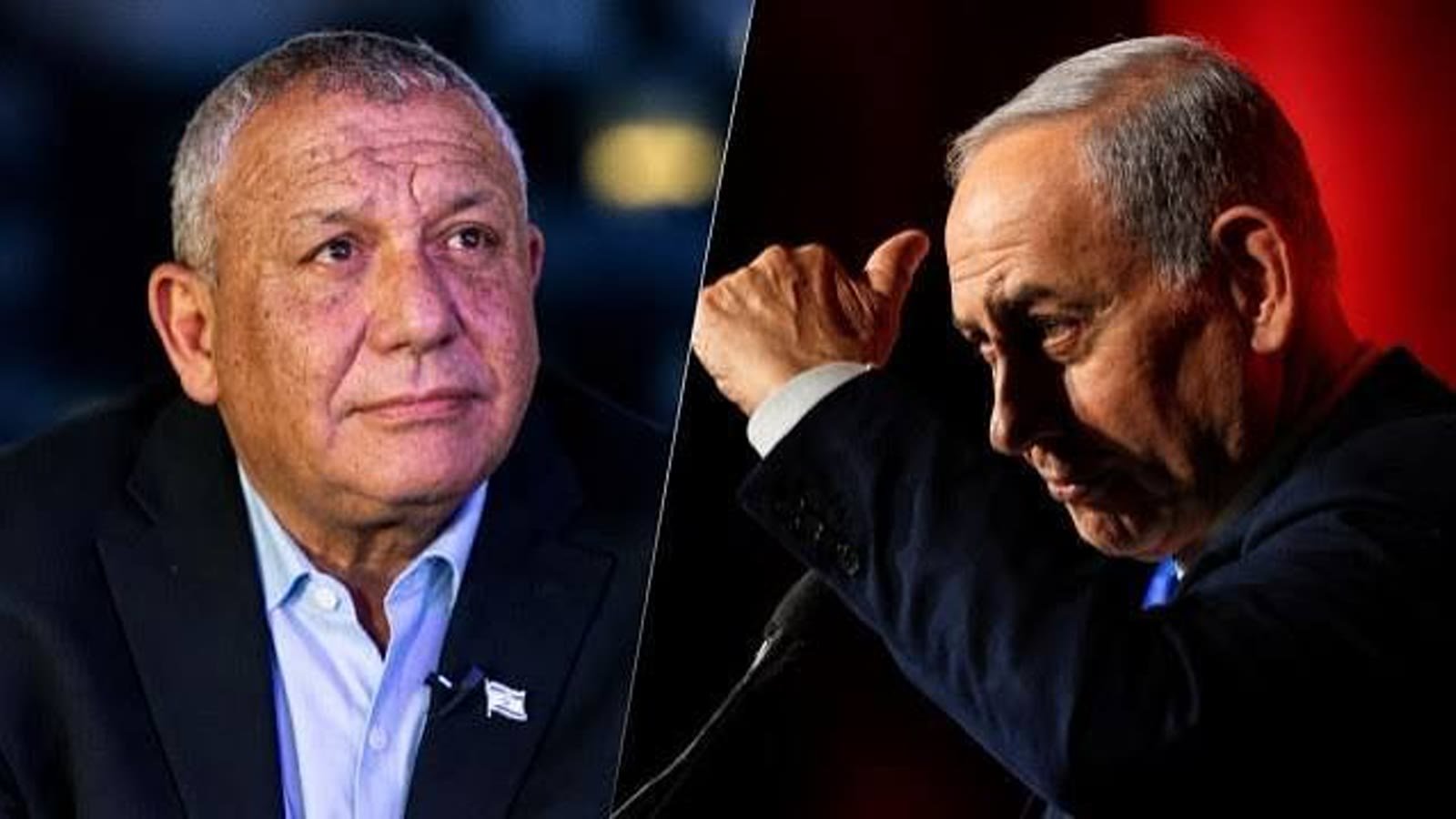
Israel is set to hold a general election on October 27, with Prime Minister Benjamin Netanyahu’s political future, national security, judicial reform, military conscription and policy towards the Palestinians among the key issues facing voters. It is the country’s first general election since the Hamas-led attacks of October 7, 2023.
Who will be held accountable for the October 7 attack?
The October 7, 2023, Hamas-led attack killed about 1,200 people in Israel and resulted in 251 people being taken hostage, according to reports. Questions over the security failures that preceded the attack have become a major issue in the election campaign.
Gadi Eisenkot, a former military chief and leading opposition figure, has promised to establish a state commission of inquiry into the failures. Netanyahu, meanwhile, has called for an inquiry with broad public support, arguing that a process rejected by a large section of society would lack legitimacy.
Judicial reform remains contentious
Netanyahu’s government has pursued changes to Israel’s judiciary, including measures affecting judicial appointments and the powers of legal institutions. The proposals triggered mass protests in 2023.
Supporters argue that reforms are needed to rebalance power between elected officials and the courts. Critics say the measures could weaken judicial independence and democratic safeguards. Several opposition leaders have pledged to reverse key changes if they form the next government.
Military service for ultra-Orthodox Jews
The question of compulsory military service for ultra-Orthodox Jewish men is another major campaign issue. Religious parties supporting Netanyahu have pushed for protections for students enrolled in religious seminaries.
Eisenkot and other critics argue that military service obligations should be shared more equally, particularly as Israel continues to bear the human and financial costs of war. The issue could also affect coalition negotiations after the vote.
Palestinian statehood and the cost of living
The leading candidates have offered little indication of a near-term shift towards a two-state solution. Netanyahu has opposed the establishment of a Palestinian state, while Eisenkot has also rejected the principle of two states for two peoples. Their positions point to continuing uncertainty over the prospects for a political settlement with the Palestinians.
Voters are also concerned about the cost of living and the economic burden of prolonged conflict. The election could produce a fragmented parliament, making smaller parties crucial to forming a government. Israel’s Knesset has 120 seats, and a governing coalition needs the support of at least 61 lawmakers.