US President Donald Trump has offered Nepal whatever assistance it needs following the devastating flash floods in the country’s Rasuwa district, as rescue teams continue searching for hundreds of missing people, including around 90 US citizens.
Trump said the United States had contacted Nepal’s leadership and was ready to provide assistance following the disaster, which swept through parts of northern Nepal with a massive surge of water, mud and debris.
“We’ve called Nepal, and we’ve offered any help that they need,” Trump told reporters at the White House. He described the destruction as extraordinary, saying powerful buildings had been swept away by the force of the flood.
Around 90 Americans still unaccounted for
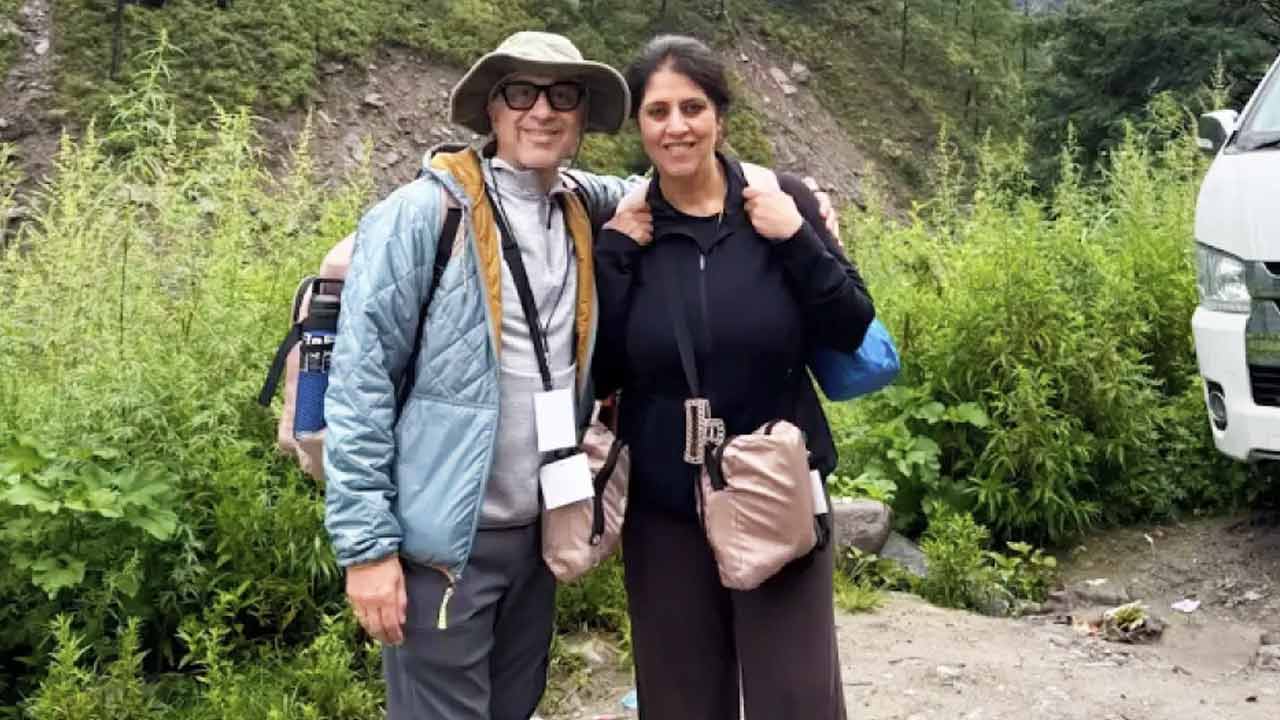
The US State Department has said around 90 American citizens remain unaccounted for following the floods in the Nepal-Tibet border region.
Trump said there could have been around 50 to 60 Americans in the affected area, but acknowledged that authorities had not yet completed a full list of people who were there.
The State Department said it was not aware of any American deaths and that three US citizens had been rescued. Many of the missing Americans were reportedly travelling in the Mount Kailash region, including people on pilgrimage trips.
The situation has become particularly difficult for families because communications remain disrupted across several flood-hit areas.
Among those reported missing are Americans who were travelling in organised pilgrimage groups. The Isha Foundation has said that 22 Americans associated with its group were among those unaccounted for after the floods struck near Gyirong in Tibet.
US announces emergency assistance
The United States has already announced $500,000 in emergency assistance for communities affected by the floods.
The funding, provided through Catholic Relief Services, is intended to support emergency shelter, relief supplies, and water, sanitation and hygiene assistance.
The State Department has also deployed a disaster response adviser to support relief operations. The US Embassy in Kathmandu is working with Nepali authorities to locate and assist American citizens affected by the disaster.
US officials have urged Americans in affected areas to follow instructions from local authorities and stay in contact with the embassy.
Nepal flood death toll continues to rise
The scale of the disaster has continued to grow as rescue teams recover bodies downstream.
While an earlier Nepal government status report cited by several reports put the death toll at 389, Nepal Police later reported that the number had risen to 469. The Kathmandu Post subsequently reported the toll at 475, reflecting the rapidly changing situation as bodies are recovered and authorities update their records.
Hundreds of people remain missing.
The floods began on Wednesday after a massive surge in the Bhote Koshi River in Rasuwa district. The disaster affected areas along the Bhote Koshi and Trishuli river systems, destroying homes, roads, bridges and other infrastructure and leaving several communities cut off.
Foreign nationals among the missing
The disaster has also affected a large number of foreign nationals travelling in the region.
Nepal’s Ministry of Foreign Affairs has established an Emergency Control Room to coordinate information on missing foreign nationals, support search and rescue efforts and provide consular assistance. The ministry has specifically urged people not to circulate unverified information about missing persons and to rely on official channels for updates.
The Mount Kailash pilgrimage route has added another dimension to the disaster, with several foreign tourists and pilgrims reported missing on both sides of the Nepal-Tibet border.
Search operation continues
Rescue teams, including Nepal’s security forces, are continuing operations across flood-hit areas and downstream riverbanks.
The destruction of roads and bridges has made access to some areas extremely difficult, while the force of the flood has carried debris and bodies considerable distances downstream.
For families waiting for news of missing relatives, the search remains a race against time.
For the United States, locating its citizens has become a major priority. For Nepal, the immediate challenge is even larger: finding survivors, recovering the missing, delivering relief to isolated communities and dealing with one of the country’s deadliest recent flood disasters.
As the death toll continues to change and hundreds remain unaccounted for, the full human cost of the Nepal floods is still emerging.