Guwahati, October 30: October 30 remains one of the darkest days in Assam’s history. On this day in 2008, a series of powerful bomb blasts shook the state, killing 88 innocent people and leaving more than 500 others injured.
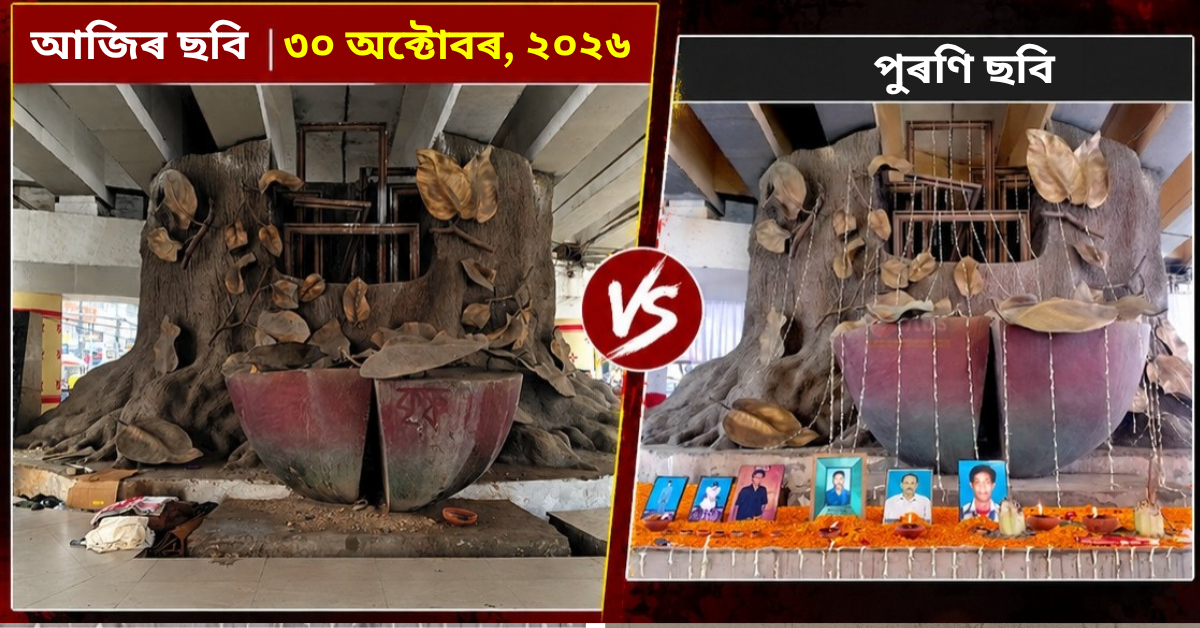
However, 18 years after the tragedy, no special commemorative programme was visible at the Ganeshguri memorial, which stands in memory of the victims. The site, where people once gathered to pay tribute to those who lost their lives, appeared unusually quiet on Friday.
The absence of a special remembrance event has raised questions about whether the memory of the tragedy is gradually losing its place in the government’s priorities. It has also brought renewed attention to the responsibility of preserving the memory of the 88 victims.
Meanwhile, controversy surrounding Ranjan Daimary, former NDFB leader and one of the key accused in the 2008 serial blasts case, has resurfaced over the years. In 2019, a special court sentenced him to life imprisonment in connection with the case. The Gauhati High Court upheld the sentence in 2022.
In 2020, Daimary was granted four weeks of interim bail to participate in the Bodo Peace Accord process. His custodial arrangements during that period also triggered considerable public discussion and controversy.
Allegations had emerged that he was kept at an Assam Police Special Branch (SB) guest house and provided special hospitality while in custody. Reports later claimed that he was shifted to the Bodoland Guest House in Kajalgaon, Chirang, where arrangements were allegedly similar to those of a VIP prison.
Eighteen years after the blasts, the absence of a special remembrance programme at the Ganeshguri memorial and the controversies surrounding the accused have once again brought the issues of public memory, accountability and justice into focus.